Fly Half Rugby Position: What Does the 10 Do?
Rugby IQ · 3 November 2026 · 6 min read
 With Ruben Love · Fly-half
Starting at USD$0.82 USD$0.49/day when billed annually. Save 40%.
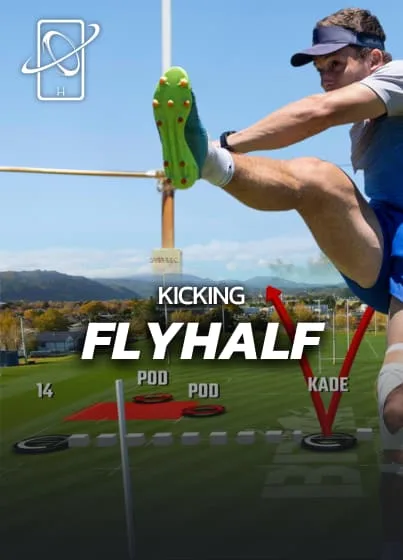
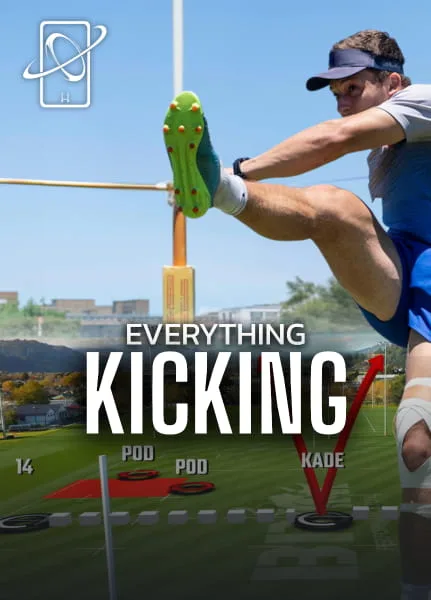
Built for your position.
Answer a few questions and see the programs for your position, then train them in the app.
Fly half, rugby union’s number 10, runs the side’s attack. The ball comes from the scrum half, and the ten decides what happens next: pass it wide, put a forward through the middle, kick into space, or take the line on. Fly halves kick for territory, often take the goal kicks, and defend one of the busiest channels on the field. See where the 10 sits among all fifteen rugby positions.
What is the 10 position in rugby?
The 10 position in rugby union is the fly half, the side’s main attacking playmaker. It has more names than any other shirt: stand-off in England, out-half in Ireland, flyhalf in South Africa and first five-eighth in New Zealand. Whatever it is called, the job is the same, and it comes down to four things.
- Decide. The ten is the first decision maker once the ball leaves the base, and every choice affects everyone outside.
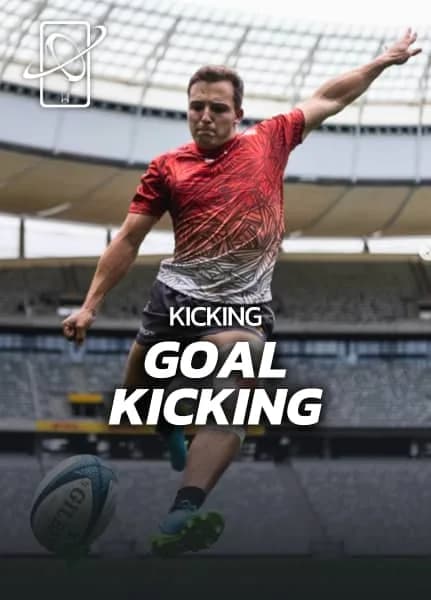
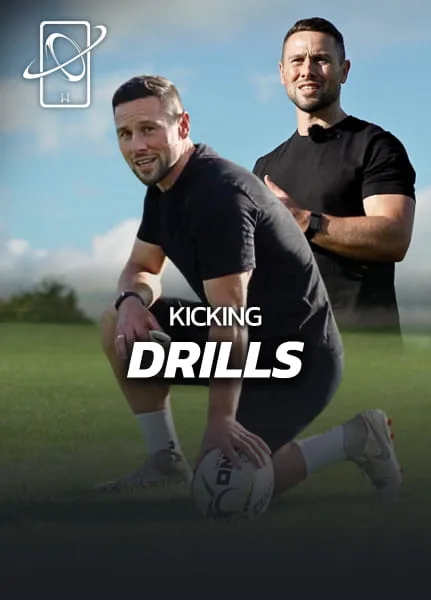
- Kick. Territory, restarts and, for many tens, the goal kicks.
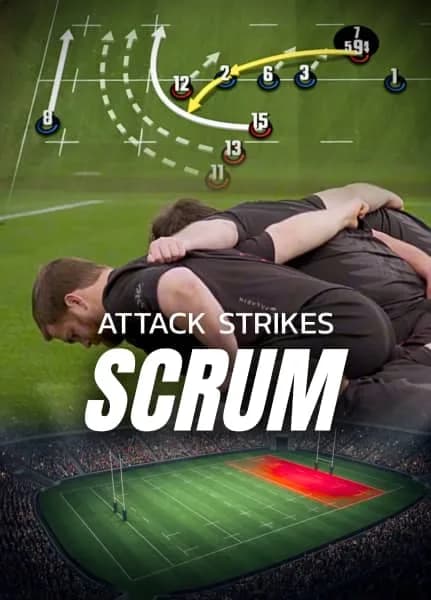
- Pass and run. Move the ball to the runners outside before the defence gets there, or take the line on when it opens.
- Defend. Once a place to hide in defence, the ten’s channel now gets a steady stream of big carriers.
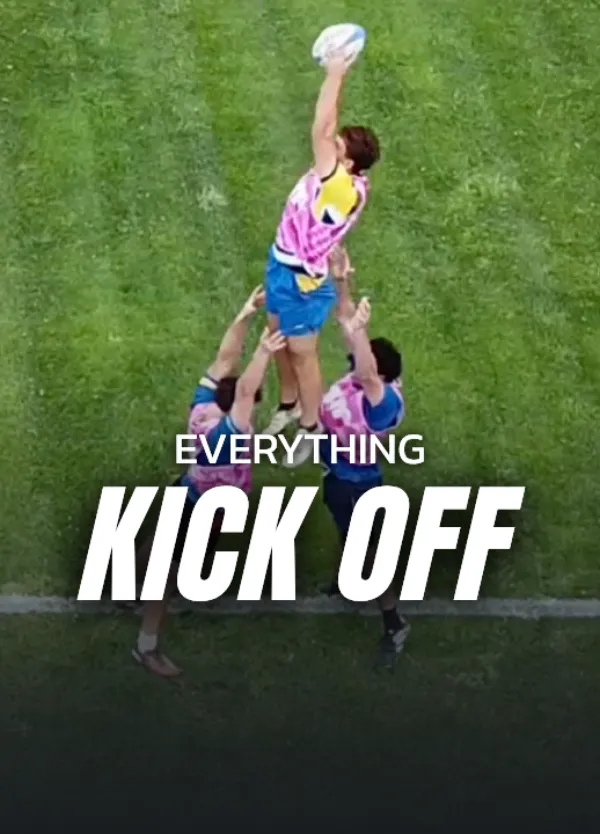
Read the full guide
What skills and attributes does a fly half need?
Four qualities, and where each one lives in a training week.
| Attribute | Why the fly half needs it | How it is trained |
|---|---|---|
| Reading the game | The ten is the first decision maker once the scrum half has delivered the ball | Decision games where the right option changes every rep |
| A kicking game | Territory, restarts and, often, the goal kicks belong to the ten | Tactical kicks to space and a fixed goal-kicking routine |
| A flat, quick pass | The ball has to reach the runners outside before the defence does | Passing at match speed to moving targets, both ways |
| Strength in defence | Sides now send their biggest carriers down the ten's channel | Tackle technique and upper-body strength, trained every week |
Where does the fly half line up?
The fly half lines up inside or outside the scrum half, depending on which side of the field the team is attacking, with the centres and the back three outside. That position is why the 9 and 10 are called the half backs: they sit between the forwards and the rest of the backs, and the partnership between them connects the whole team.
Calling the play is part of the job. A side can practise its moves all week, but it is the ten who chooses when and where to call each one, and that choice matters more than running the move well. Kade Wolhuter, whose title on the ERA roster is “Professional rugby union player (Fly-half)” and who plays for the Lions in the United Rugby Championship, teaches the fly-half craft in Rugby IQ with Ruben Love.
How does a fly half train?
A fly half trains the kick and the decision as hard as the body. Four qualities carry the week.
| Quality | Why the fly half needs it | What a session looks like |
|---|---|---|
| Goal kicking | Many tens take the side's goal kicks, and points come from routine | The same routine every kick, from set spots, with every kick logged |
| Tactical kicking | Kicking into space is one of the ten's main options | Kicks into space and to targets, with a chaser |
| Decision-making | Calling the right move at the right time matters more than running it | Attack drills with a live defence that changes its shape |
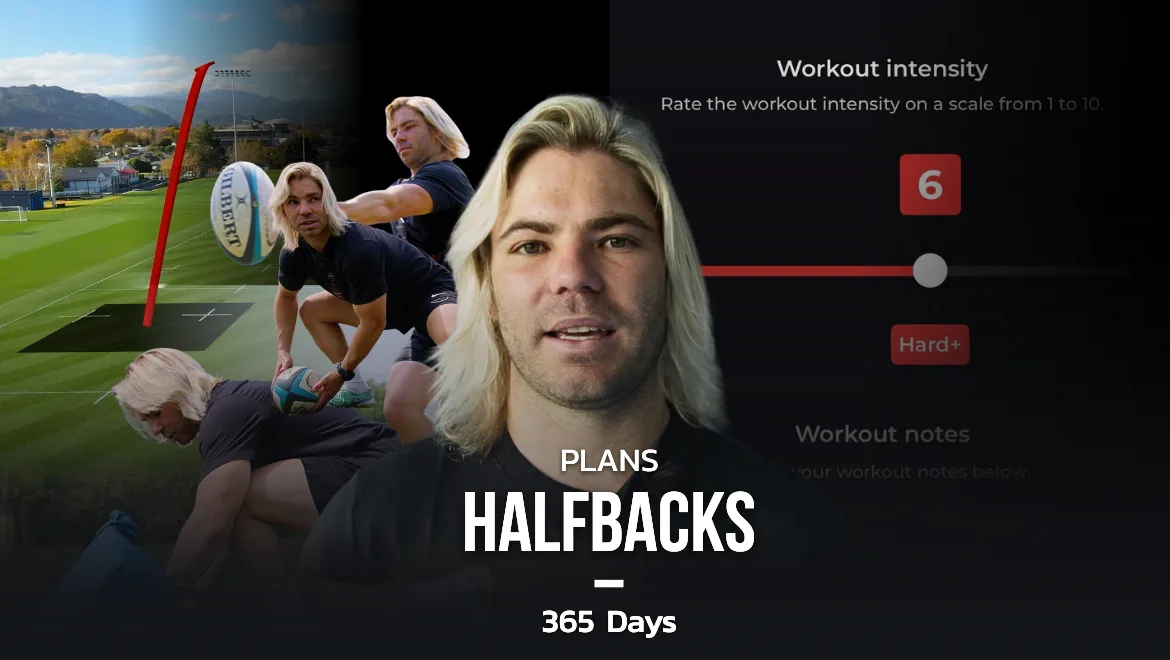
| Hamstring strength | Our gym program asks every halfback to do it every week | Nordic hamstring curl, 3 sets of 5, every week |
Goal kicking rewards a routine more than talent, which is the first lesson in rugby kicking. Our free goal-kick tracker logs every kick so you can see where you miss. For the gym, the free training plan builder writes a halfbacks week for you.
Is the fly half the same in rugby league?
Rugby league has a stand-off too, one of its two half-backs alongside the scrum half. The tackle is where the codes part: league has no contest for the ball at the breakdown, so a league ten never plays off a contested ruck the way a union ten does.
Where to find out more
The ten works hand in glove with the scrum half, and Ruben Love, who plays first five-eighth and fullback for New Zealand, the Hurricanes and Wellington, also covers the rugby fullback. The whole fifteen are in rugby positions. To train the shirt rather than read about it, ERA’s gym programs are built position by position.
Frequently asked questions
What does a fly half do in rugby union?
A fly half in rugby union runs the attack: the ball comes from the scrum half and the ten decides whether to pass it wide, put a forward through, kick into space or run. Fly halves also kick for territory, often take the goal kicks, and tackle in a busy channel.
What is a stand off in rugby?
A stand off in rugby is another name for the fly half, the player who wears number 10. The same shirt is called the out-half in Ireland, the flyhalf in South Africa and the first five-eighth in New Zealand, and it does the same job everywhere: it runs the attack.
What number does a fly half wear in rugby?
A fly half wears number 10 in rugby union, which is why the position is often just called the ten. The 9 and 10 together are the half backs: the scrum half delivers the ball from the base and the fly half decides what the side does with it.
How to play fly half rugby?
To play fly half in rugby, stand where you can see the defence, take the ball at pace and make one clear decision: pass, kick or run. Build a partnership with your scrum half, call the moves early, and keep your goal-kicking routine the same every time.
How to become a better fly half in rugby?
To become a better fly half in rugby, train your decisions as hard as your skills. Play games against a live defence, kick to targets, log every goal kick to see where you miss, and work on your tackling, because sides run at the ten.
Train it, don’t just read it
Every session in this guide is built, periodised and coached inside Elite Rugby App, from the strength staff behind international and Super Rugby teams.
Weighing it up? Read how Elite Rugby App compares with other rugby training apps.