Centre Rugby Positions: What Do the 12 and 13 Do?
Rugby IQ · 3 November 2026 · 6 min read
 With Matt Taylor · Defence Coach
Starting at USD$0.82 USD$0.49/day when billed annually. Save 40%.

Built for your position.
Answer a few questions and see the programs for your position, then train them in the app.
The centres, rugby union’s 12 and 13, play in the middle of the back line, outside the fly half and inside the back three. Centres carry the ball over the gain line, link the playmakers inside them to the finishers outside, and tackle in the busiest channels on the field. See where both shirts sit among all fifteen rugby positions.
What are the centre’s four jobs?
The centre position in rugby is the midfield, and the work reduces to four jobs shared by the 12 and the 13.
- Get over the gain line. Centres are the backs who put the ball in front of the forwards.
- Link the play. Move the ball from the fly half to the finishers, or create the space for them.
- Break the line. Run direct, powerful lines that the defence has to commit to.
- Defend the midfield. Both centres sit in channels the other side runs at hardest.
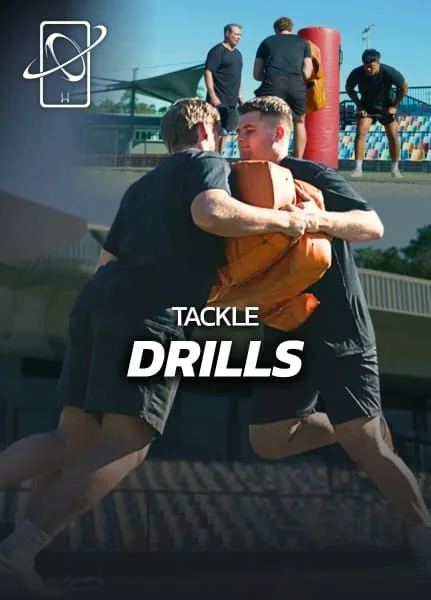
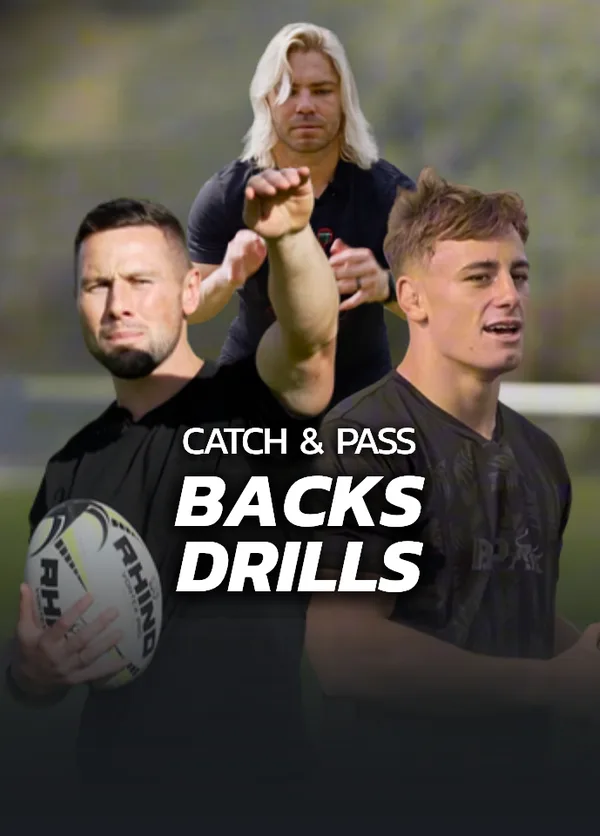
Read the full guide
What skills and attributes does a centre need?
Good hands, a strong boot and the ability to find space, through brain or brawn. Here is where each quality lives in a training week.
| Attribute | Why the centre needs it | How it is trained |
|---|---|---|
| Winning the collision | Centres are the backs who get the side over the gain line | Carrying into contact to win the collision, every week |
| Hands and a kicking option | The 12 is often a second playmaker and a backup kicker | Passing at match speed both ways, plus a kick to space |
| Line-breaking pace | The 13 runs direct lines to break the defence and free the wing | Acceleration and change of direction off a real sprint |
| Defensive strength and reading | Both centres sit in the busiest defensive channels on the field | Tackle technique and pressing strength in the gym |
12 or 13: what is the difference between inside and outside centre?
The two centres share a channel and most of a job description, but sides usually pick two different kinds of player for them.
Inside centre (12)
The inside centre stands next to the fly half and often plays like a second one: a second distributor who can pass, kick or carry. Some 12s create space with their handling and kicking, others with their physicality, carrying hard into contact to win the collision. The 12 is often the side’s backup kicker, and in New Zealand the shirt is called the second five-eighth.
Outside centre (13)
The outside centre stands outside the 12 and is usually the more elusive of the two: quick, powerful, running direct lines to break the defence and free the wing outside. In defence the 13 organises the outside of the line, and the wing stays connected to the 13 so the break does not come inside them. The wing’s side of that is in rugby winger.
How does a centre train?
A centre trains for collisions and for speed in the same week, because the shirt asks for both. Four qualities carry the week.
| Quality | Why the centre needs it | What a session looks like |
|---|---|---|
| Pressing strength | Our gym program calls it the fend, the wrap and the wrestle that finish a tackle | Bench press, 4 sets of 5, the inside backs' main lift in our gym program |
| Contact and carrying | Getting over the gain line is the centres' first job | Carry and leg-drive drills, with a ball, into a pad and then a live tackler |
| Defensive reads | The 13 organises the outside defence and the wing keeps connected to it | Midfield defence drills with the other centre and the wing |
| Speed off the mark | A break is open for a stride or two | Short, maximum-effort starts with full recovery |
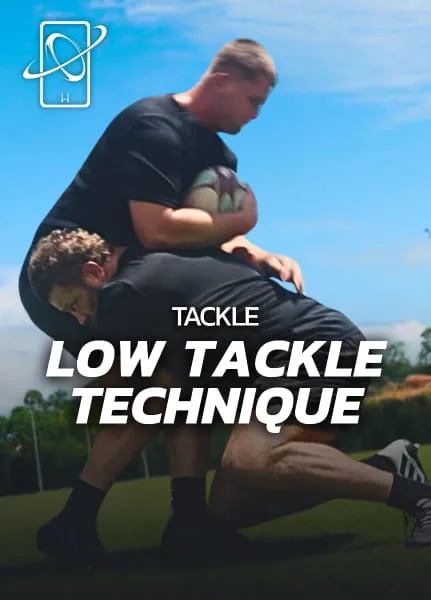
The tackling technique behind the midfield is in how to tackle in rugby, by Ben O’Keeffe. For the gym, the free training plan builder writes an inside backs week for you, and the full lift list is in the rugby gym program.
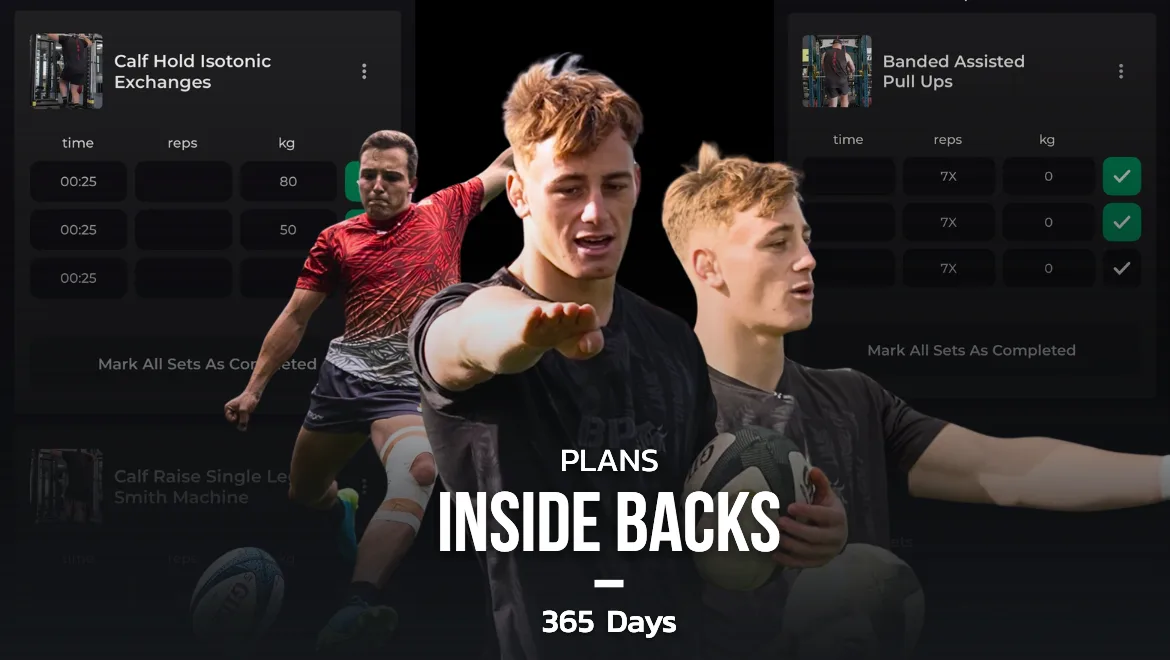
Where to find out more
The centres play between the fly half and the rugby winger. The whole fifteen are in rugby positions, and rugby positions by body type runs it the other way, from the frame you have to the shirt it suits. To train the shirt rather than read about it, ERA’s gym programs are built position by position.
Frequently asked questions
What does a centre do in rugby union?
A centre in rugby union carries the ball over the gain line, links the playmakers inside to the finishers outside, and tackles in the busiest channels on the field. There are two centres: the inside centre at 12 and the outside centre at 13, standing between the fly half and the back three.
What does an inside centre do in rugby?
An inside centre in rugby wears 12 and is often a second playmaker beside the fly half. The 12 carries into contact to win collisions, passes and kicks when the fly half is busy, and is often the backup kicker. In defence the 12 is a tough, physical tackler.
What does an outside centre do in rugby?
An outside centre in rugby wears 13 and runs direct, powerful lines to break the defence and make space for the wing. In defence the 13 organises the outside of the line and has the widest channel to read, with the wing connected outside.
What rugby position is number 13?
Number 13 in rugby union is the outside centre, the second of the two centres. The 13 stands outside the inside centre at 12 and inside the wing, and is usually the quicker, more elusive of the pair, looking to break the line and free the players outside.
How to play inside centre in rugby?
To play inside centre in rugby, take the ball flat and hard to get your side over the gain line, then make the right call: pass, carry or kick. Talk to your fly half, tackle everything in your channel, and keep your kicking sharp, because the 12 is often the backup kicker.
Train it, don’t just read it
Every session in this guide is built, periodised and coached inside Elite Rugby App, from the strength staff behind international and Super Rugby teams.
Weighing it up? Read how Elite Rugby App compares with other rugby training apps.